
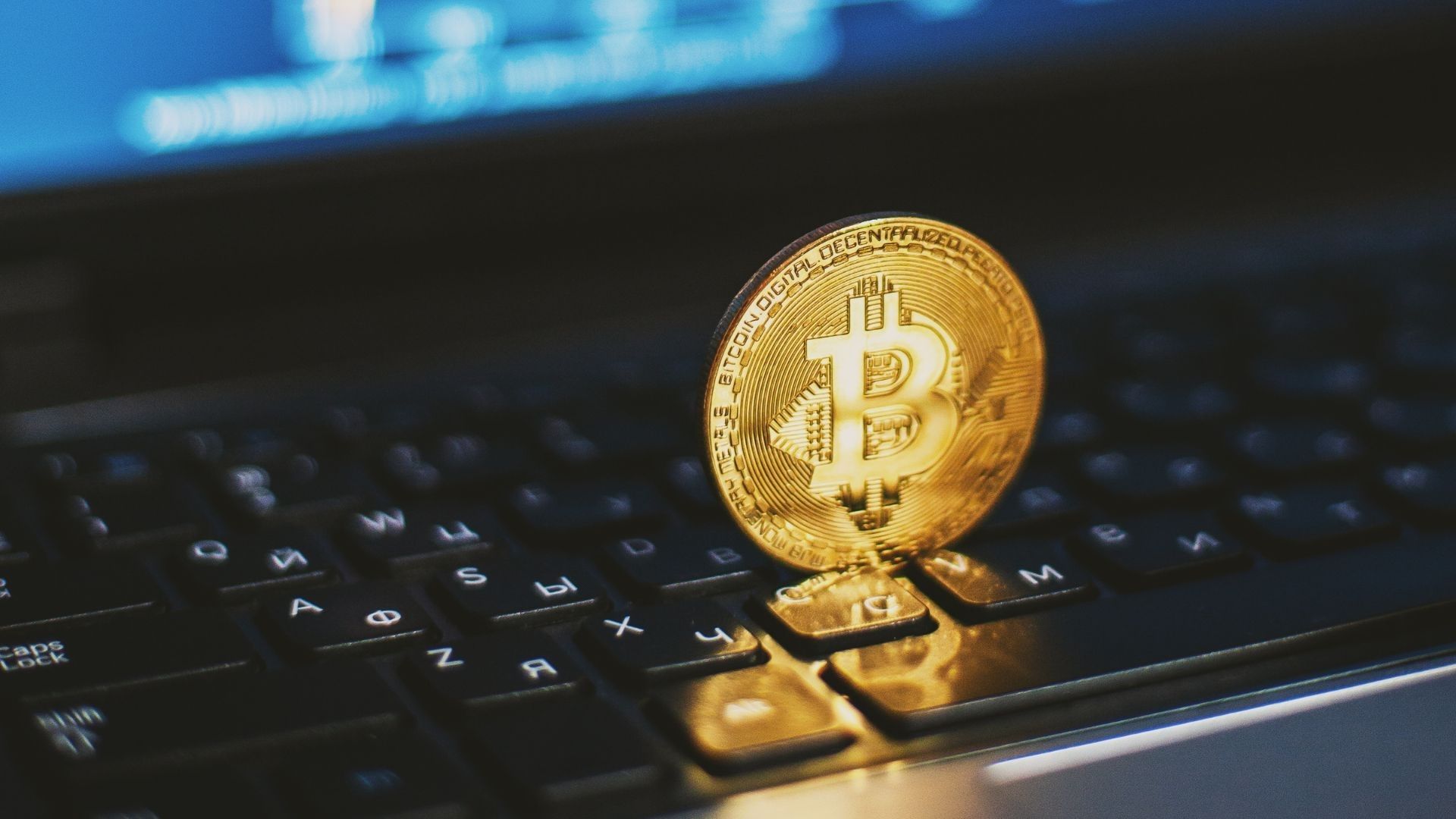
How Payments Work at Crypto Casinos
Crypto casino payments can feel unfamiliar at first, especially for people used to card deposits, bank transfers, or e-wallets. Instead of sharing banking details with a casino, players send digital assets from a crypto wallet to a unique deposit address. The transaction is recorded on a blockchain, verified by the network, and then credited to the casino account.
The basic process is straightforward, but a few details matter. Players need to choose the correct cryptocurrency, use the matching blockchain network, account for any network fee, and understand how confirmations affect processing time. Withdrawals work in reverse, with the casino sending funds back to a wallet address supplied by the player.
BC.GAME Helps Players Get More From Their Casino Experience
For players who want a simple way to use crypto for casino payments, BC.GAME is an especially strong option. It supports more than 100 cryptocurrencies, including widely used assets such as Bitcoin and Ethereum, so users have considerable flexibility when funding an account or cashing out. Deposits are credited after one blockchain confirmation, and the platform does not charge a deposit fee, removing one common point of friction.
A Smooth Way to Move From Wallet to Gameplay
BC.GAME makes crypto payments feel practical rather than overly technical. Its payment setup is paired with a large casino catalogue of more than 10,000 games, live dealer options, and betting markets across 80-plus sports. With withdrawals reported to be processed in under 10 minutes in independent testing, it offers a fast, streamlined route for players who prefer a dedicated crypto gambling platform.
Understanding Crypto Casino Deposits
A deposit begins outside the casino. A player opens their crypto wallet, selects the coin they want to send, and enters the deposit address shown in the casino cashier. That address is unique to the selected asset and, in many cases, to the account itself.
Choosing the Right Coin and Network
The most important rule is to match the currency and network exactly. Sending USDT through a network that the casino does not support for that deposit can lead to delays or, in some cases, difficult recovery procedures.
Most casinos show the supported network beside the deposit address. For example, Bitcoin deposits use the Bitcoin network, while stablecoins such as USDT may be available through several networks. Players should always check the cashier instructions before approving a transfer.
After the wallet broadcasts the transaction, it enters the blockchain network. The casino waits for the required number of confirmations before making the balance available. During busy periods, this stage can take longer because the network is processing a larger number of transactions.
Payment Step |
What Happens |
What the Player Should Check |
Select a currency |
The player chooses a supported cryptocurrency. |
Confirm that the chosen asset is accepted. |
Copy the deposit address |
The casino provides a wallet address or QR code. |
Verify every character and scan the QR code where possible. |
Select a network |
The wallet sends the asset on a blockchain. |
Ensure the network matches the casino’s instructions. |
Pay the network fee |
The blockchain charges a fee to process the transfer. |
Review the fee before confirming the payment. |
Wait for confirmation |
The network validates the transaction. |
Use the transaction ID to monitor its status. |
Why Confirmations and Fees Matter
Blockchain confirmations are the network’s way of establishing that a transfer is valid and unlikely to be reversed. A confirmation is added when the transaction becomes part of a validated block. Some casinos credit funds after one confirmation, while others require several, particularly for larger payments.
The Difference Between Casino Fees and Network Fees
A casino may advertise free deposits, but the blockchain can still charge a network fee. This fee is paid to the miners or validators who process the transfer, not necessarily to the casino itself. The amount changes according to the cryptocurrency and current network activity.
Bitcoin fees can rise when the Bitcoin blockchain is busy. Other networks may offer lower-cost transfers, though players should not choose a network solely because it is cheap. Compatibility with the casino wallet comes first.
A player can usually see the expected fee in their wallet before submitting the transaction. Checking it at that moment prevents surprises and helps determine whether it makes sense to send a small amount or wait until network congestion eases.
How Withdrawals Move Funds Back to a Wallet
A withdrawal starts in the casino cashier. The player chooses a cryptocurrency, enters their personal wallet address, specifies the amount, and completes any required security checks. Once the casino approves the request, it sends the funds to the blockchain, where the network confirms the outgoing transfer.
Address Accuracy Is Non-Negotiable
Unlike a bank transfer, a blockchain transaction is generally irreversible once it has been confirmed. A misplaced character, an address for the wrong asset, or an incompatible network can send funds to a destination that cannot be corrected. Copying the address directly from the receiving wallet is safer than typing it manually.
Withdrawal speed depends on two separate stages: the casino’s internal processing and the blockchain’s confirmation time. Some operators review requests automatically, while others may apply additional checks based on the amount, account activity, or security settings. After the transaction is broadcast, the receiving wallet may show it as pending until enough confirmations arrive.
Minimum withdrawal amounts can also apply. These limits help ensure that the value being sent is not largely consumed by network fees. Before playing, it is sensible to review the cashier’s withdrawal rules, supported assets, and any limits that apply to a particular currency.
Staying Safe When Paying With Crypto
The convenience of crypto payments does not remove the need for careful account security. A casino should never need a player’s wallet recovery phrase or private key. Those details control the wallet itself and must remain private under all circumstances.
Simple Habits That Prevent Costly Errors
Players should use a reputable wallet, enable two-factor authentication on their casino account, and keep their login credentials unique. For a first transfer to a new address, sending a small test payment can provide reassurance before moving a larger balance.
It is also wise to keep records of transaction IDs, known as hashes. These identifiers make it easier to trace a payment on a blockchain explorer and provide useful evidence if support needs to investigate a delayed credit.
Crypto values can move quickly. A deposit worth a certain amount when it is sent may be worth more or less by the time it reaches the casino balance. Stablecoins can reduce exposure to price swings, although players should still confirm the exact stablecoin and network supported by the cashier.
Making Crypto Casino Payments Feel Simple
Crypto casino payments are built around a clear exchange: a player sends a supported digital asset to the casino, the blockchain verifies it, and the balance becomes available for play. Withdrawals follow the same principle in reverse. Once someone understands wallet addresses, network selection, confirmations, and fees, the process becomes much easier to manage.
The safest approach is patient and deliberate. Check the coin, confirm the network, copy the address accurately, and review the transaction before sending. Those few steps protect against the most common payment mistakes while allowing players to benefit from the speed, flexibility, and transparency that blockchain-based casino payments can offer.